


Pelvic Floor Dysfunction
Conditions
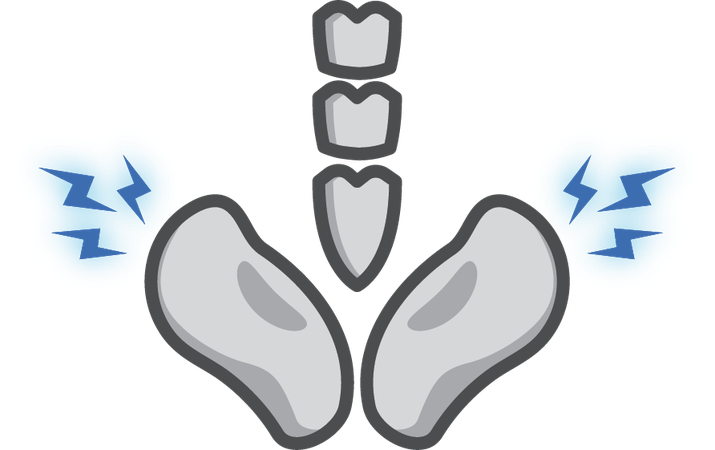
Pelvic floor dysfunction occurs when the muscles of the pelvic floor are unable to coordinate correctly. It can affect urinary, vaginal, sexual and gastrointestinal function. When it affects the digestive tract, onstead of relaxing during a bowel movement, these muscles may tighten or fail to coordinate appropriately, making it difficult to pass stool.
The pelvic floor is a group of muscles that support the rectum, bladder, and other pelvic organs. These muscles work together to control bowel movements by contracting and relaxing at the right time. Proper coordination is essential for normal digestive function.
When the pelvic floor muscles do not relax properly, it can lead to straining, incomplete evacuation, or a feeling of blockage. Some patients may experience the need to use excessive effort or manual assistance with a hand or a finger to have a bowel movement. Over time, this can contribute to chronic constipation and discomfort.
Symptoms can vary depending on the severity of the condition. Many patients experience chronic constipation, difficulty passing stool, a sensation of incomplete evacuation, or excessive straining. Other symptoms may include abdominal pain, bloating, or rectal pain.
Pelvic floor dysfunction can develop for a variety of reasons. Common causes include chronic constipation, repeated straining during bowel movements, childbirth, pelvic surgery, connective tissue disorders or nerve and muscle coordination issues. In some cases, it may develop without a clearly identifiable cause.
The pelvic floor plays a critical role in digestive health. When muscle coordination is disrupted, it can lead to ongoing bowel issues that affect daily life. Pelvic floor dysfunction is often associated with other gastrointestinal conditions, such as irritable bowel syndrome (IBS) and chronic constipation , making an accurate diagnosis essential for effective treatment.
Diagnosis typically begins with a detailed review of symptoms and medical history. Your gastroenterologist may do a rectal exam and may recommend specialized testing to evaluate muscle function and coordination.
Anorectal manometry is a key diagnostic test used to assess how the pelvic floor muscles and anal sphincter are functioning. This test measures muscle pressure, coordination, and response during simulated bowel movements. It provides valuable information that helps guide treatment decisions.
Treatment for pelvic floor dysfunction focuses on improving muscle coordination and relieving symptoms. One of the most effective therapies is pelvic floor physical therapy, often combined with biofeedback techniques that help retrain the muscles to function properly.
Additional treatment may include nutritional counseling, fiber supplementation, and medications to support regular bowel movements. At NYGA, our team takes a comprehensive approach to help patients regain control and improve digestive health.