


Colon Polyps (What You Should Know)
Blog
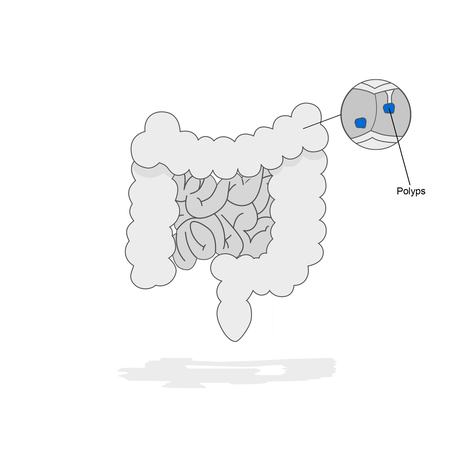
Colon polyps are growths that form on the lining of the colon or rectum. While most polyps are harmless, some can develop into colorectal cancer over time. Understanding what colon polyps are, how they're detected, and what you can do to prevent them is crucial for maintaining your gastrointestinal health.
What Are Colon Polyps?
Colon polyps are clumps of cells that form on the lining of the colon. They vary in size and shape, ranging from small, flat lesions to larger, mushroom-like growths. There are several types of colon polyps, with the most common being:
Adenomatous polyps (adenomas): These are the most common type and have the potential to become cancerous over time.
Hyperplastic polyps: Generally small and often considered low risk for developing into cancer.
Inflammatory polyps: Often seen in people with inflammatory bowel disease and typically non-cancerous.
Who Is at Risk?
- Age: Polyps are more common in people over 50.
- Family history: A family history of colon polyps or colorectal cancer increases your risk.
- Lifestyle factors: Diets high in fat, low in fiber, lack of exercise, smoking, and excessive alcohol use contribute to the development of polyps. Red and processed meats may increase the risk of polyps as well.
- Personal history: Having polyps in the past or a history of inflammatory bowel disease also increases risk.
Symptoms of Colon Polyps
Most colon polyps do not cause symptoms, so regular screening is essential. However, larger polyps may cause:
- Rectal bleeding: Blood in your stool or rectal bleeding can signify polyps.
- Change in stool color: Dark or red streaks in the stool may indicate bleeding.
- Change in bowel habits: Constipation, diarrhea, or a change in the frequency of bowel movements lasting more than a week.
- Abdominal pain: Large polyps can obstruct part of the bowel, leading to pain or cramping.
How Are Colon Polyps Detected?
Screening for colon polyps is crucial because they can be present without symptoms. The most effective screening tests include:
- Colonoscopy: A flexible camera is inserted into the rectum to examine the entire colon. If polyps are found, they can be removed during the procedure.
- Sigmoidoscopy: This procedure is like a colonoscopy but only examines the lower part of the colon.
Preventing Colon Polyps
While it’s not always possible to prevent colon polyps, certain lifestyle changes can reduce your risk:
- Eat a healthy diet: Focus on fruits, vegetables, and whole grains while limiting red meat and processed foods. We offer nutrition counseling from specialized GI-trained dietitians.
- Exercise regularly: Aim for at least 30 minutes of physical activity most days of the week.
- Don’t smoke or drink excessively: Both smoking and heavy alcohol use are associated with an increased risk of polyps.
- Maintain a healthy weight: Obesity is a risk factor for colon polyps and colorectal cancer.
If you are someone who has had polyps detected, regular surveillance colonoscopy at set intervals is often recommended for future follow up.
At New York Gastroenterology Associates, we specialize in the detection and treatment of colon polyps in New York City.
Colon polyps are common, especially as you age, but regular screening and healthy lifestyle choices can significantly reduce your risk of developing colorectal cancer.
Don't wait – prioritize your health today.
Frequently Asked Questions
How long does a colonoscopy take?
The procedure typically takes 20 to 45 minutes, though patients should expect to spend additional time preparing and recovering from sedation.
How much does a colonoscopy cost in NYC, and does insurance cover it?
Many screening colonoscopies are covered by insurance, though coverage varies depending on your plan and whether the procedure is performed for screening or diagnostic purposes. NYGA accepts most major insurance plans and can help verify your benefits before your appointment.
How often do I need a colonoscopy?
For average-risk individuals, screening is often recommended every 10 years beginning at age 45. Patients with certain risk factors or previous findings may require more frequent screenings.
What is the difference between a screening and a diagnostic colonoscopy?
A screening colonoscopy is performed to detect colorectal cancer or polyps before symptoms develop. A diagnostic colonoscopy is performed to evaluate symptoms such as rectal bleeding, abdominal pain, anemia, or changes in bowel habits. Some insurance consider a follow up colonoscopy for prior polyps or cancer as a diagnostic test since something irregular has been found on a prior exam.
Is a colonoscopy safe?
Yes. Colonoscopy is considered a very safe procedure when performed by experienced gastroenterologists. Serious complications are uncommon, and the benefits of early detection and prevention generally far outweigh the risks.